Utensil Technologies
Digitization & Automation for Restaurants
The problem
Traditional menu formats provided by restaurant operators are insufficient in a digital age driven by smartphones and mobile applications.
Many restaurants operate on a single menu throughout the day and offer little information to customers about items, including images and their ingredients.
Finding menus online can be tedious, out-of-date, limited in functionality, and poorly optimized for viewing on mobile devices.
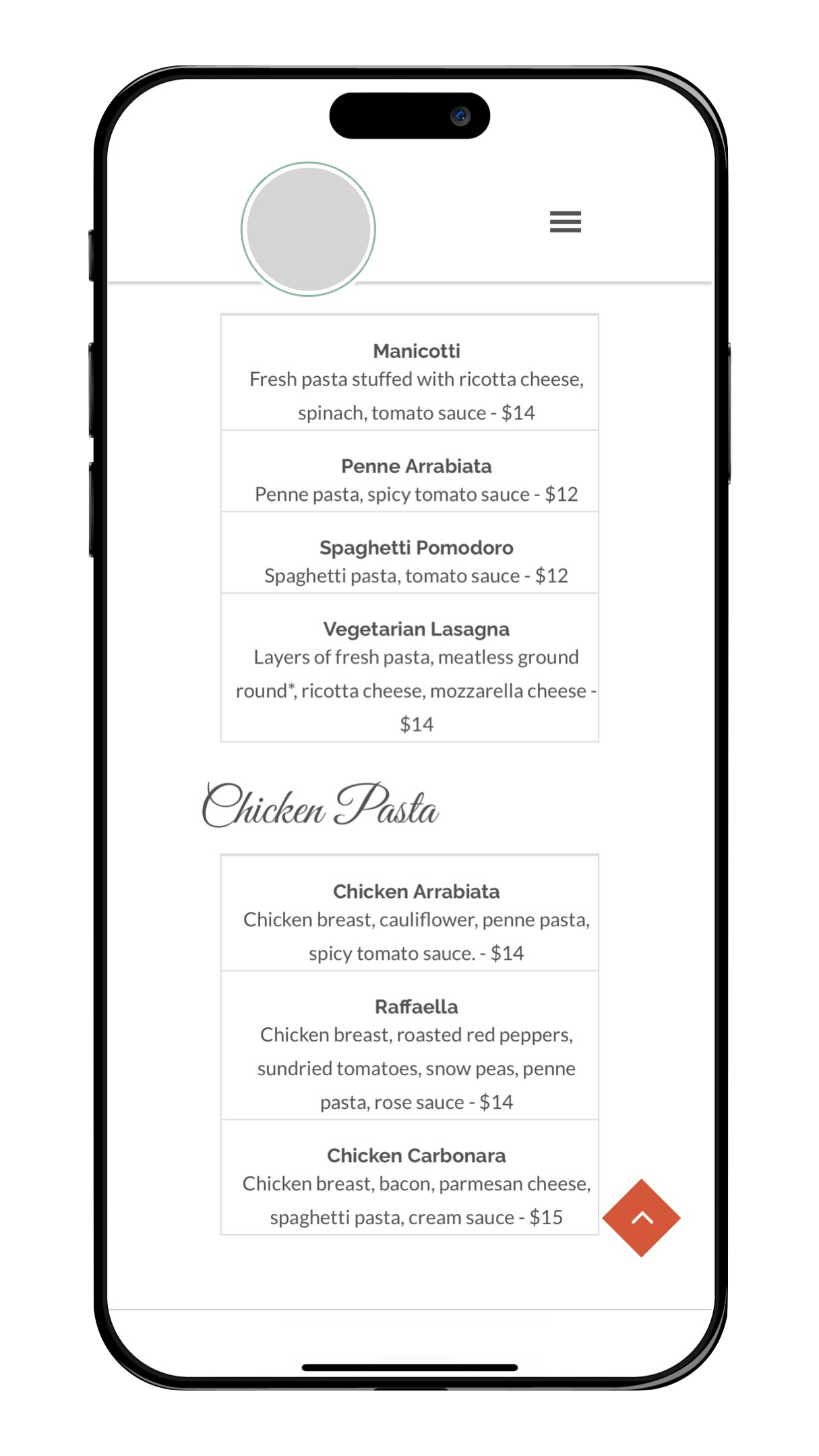
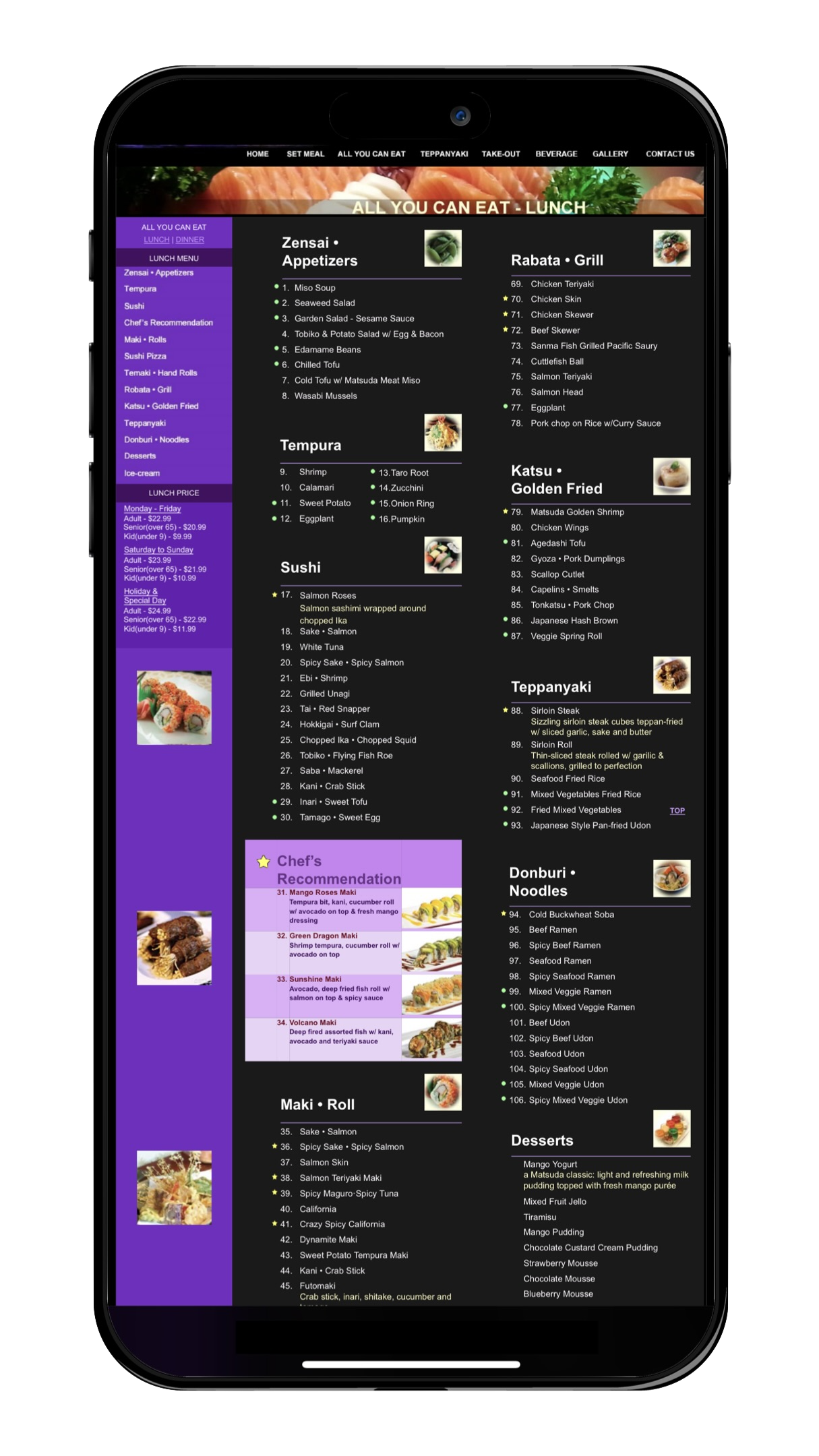
❌ Unresponsive
❌ Poorly optimized
Total spending at restaurants in Canada is on track to top $110 billion this year.
With increased supply and labour costs, restaurants operate on thin margins, and are continuously seeking on how technologies can increase efficiencies.
Existing service providers
-
Wix
Squarespace
Wordpress -
Shopify
-
UberEats
DoorDash
SkipTheDishes
Ritual -
Ziosk
Restaurants are in the Food & Services Industry, not IT.
Our goal is to help restaurant operators digitize with ease and provide the best possible experience for their customers.
Phase One
Advanced Digital Menus and Beautifully Designed Websites
First impressions
Having a mobile friendly website and digital menu goes a long way.
Designed to fit smaller screens, pages load quickly, are user-friendly and easy to navigate. Visitors that can easily view menus on their mobile devices are more likely to explore, order, and convert into paying customers.
Showcase your business. Tell your story.

Beautifully designed for mobile devices
Large text and rich imagery scale perfectly to mobile devices with multiple viewing options, including card view, list view, and menu search.

Card view

List view
Customizable themes & templates
Customizable templates can be easily modified to service a variety of restaurant types, while preserving a consistent user experience for customers.


More than meets the eye
Expanded item views offer information that customers care about including photos, ingredients, and nutritional information — far beyond what traditional menu formats currently offer.

Works on iPad
Enhanced digital menus can be easily transitioned to accommodate existing restaurant tablets and digital displays, providing customers with a full-screen experience while maintaining added functionality.


Websites that do all the talking
Highly responsive, rich text and graphics should provide visitors with a lasting impression of quality and attention to detail.

Phase Two
Mobile Ordering and Payments
Order with ease
Customers can quickly place orders directly from their mobile devices, with the ability to include special requests.

Pay now. Pay later.

On device payments provide restaurant operators and their customers with a number of different time saving options, reducing wait times and reliance on in-house POS systems.
At your service
On device table service allows for a direct line of communication between customers and wait staff, saving time and mitigating redundant back-and-forth for common requests.

Rate & Review
Feedback is important to restaurant operators.
Customers can quickly review menu items and provide immediate feedback based on their recent experience.

Digital menus do not replace traditional restaurant menus.
Traditional paper menus continue to exist as part of the restaurant experience, especially in fine dining establishments.
Enhanced digital menus compliment existing offerings, rather than replace them, while providing customers and restaurant operators with additional options and the added convenience.
Benefits
-
Customer experience
Streamline ordering processes, reducing wait times and better regulating flow of customers.

-
Cost and time savings
More efficient use of wait staff and improved efficiency of restaurant operations, including ingredient and supply management.

-
Data and analytics
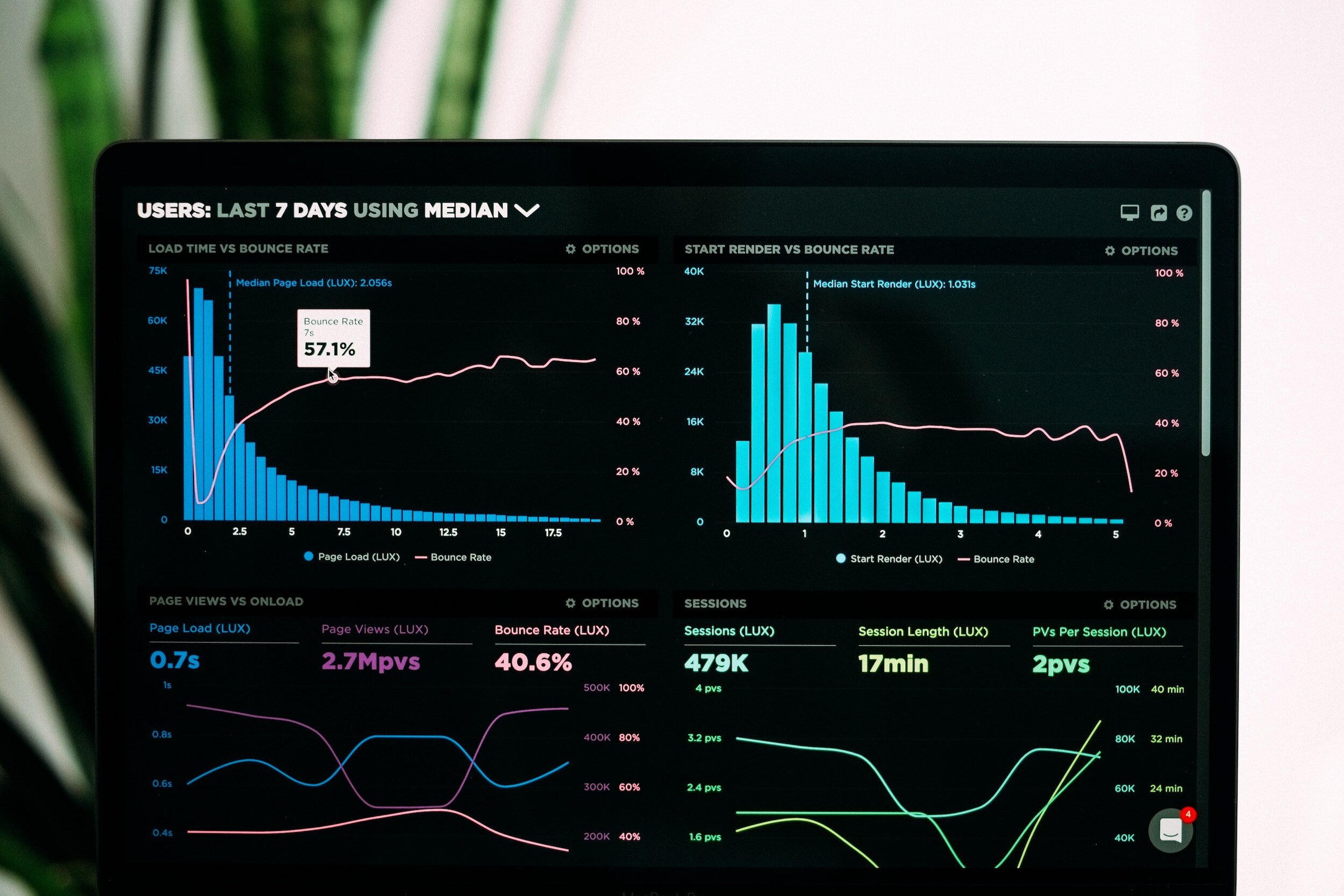
Restaurants can access valuable customer data and better tailor their menu offerings to appeal to targeted demographics.

Revenue generation / Business model
-
Initial fee for menu and website creation
-
Monthly fee for hosting and services
-
Percentage of sales